Now, I spoke endlessly on my personal experience with dance, but is it an isolated event? Does dance solely have the ability to unite dancers across cultures? Is it special only to me? Although I’d like to believe so, it is far removed from the truth. For decades, centuries even, dance has been a mode of cultural exchange. It drives dialogue between nations forward through its essence as a form of storytelling. It carries an array of stories of conquest, resistance, religion, harvest, and so much more. But this begs the question: what can dance as a form of storytelling be used for? Can it be used in diplomacy to further political ambitions? Or more importantly, has it already been used?
To answer that, let me start with another question. What comes to your mind when you first think of ballet?
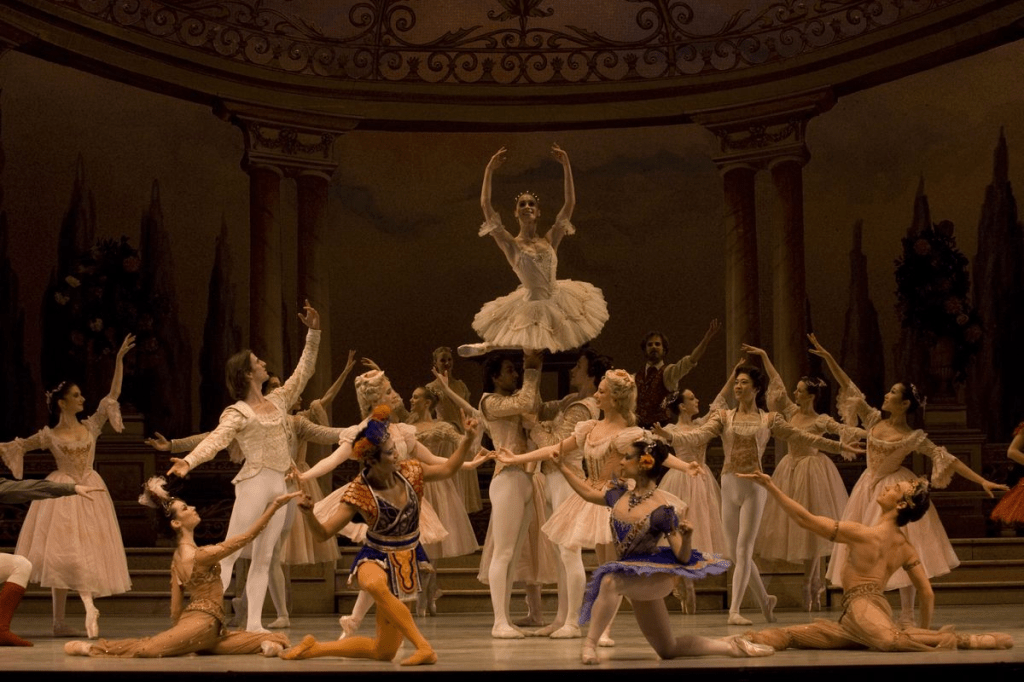
Ballet. The epitome of Western classical dance is characterized by elevated movements, foot articulation, and storytelling through scores of gestures called the pantomime. Personally, I thought it was from France, and I thought it started off as a dance performed by women for the entertainment of women. However, I was soon harshly corrected by my friend, a trained ballet dancer, as it in fact emerged in Italian Renaissance courts as an early form of a pantomime, where a singular performer portrayed all the story’s characters through gestures and body language. These were quite popular, often featuring exaggerated movements as comic elements, becoming famous amongst not just the aristocracy, but also the peasant class, although it was in the royal courts that ballet first sprouted. Ballet then travelled to France through Catherine dé Medici’s marriage to King Henri II, heir to the French empire, where in 1581, she commissioned the Ballet Comique de la Reine. It featured independent acts of dance, poetry, and music under the overarching theme of Greco-Roman Mythology. This art form began to gain traction in European courts and was widely recognized as the first court ballet.
Subsequently, in the court of Louis XIV, ballet flourished. With the French king being a great patron of the arts and a trained ballet dancer himself, he awarded nobility success in politics based on their proficiency in dance, fencing, etiquette, and the fine arts. His love for dance inspired the inauguration of the Académie Royale de Musique et Danse. Originally an art form seldom performed by women, Danse d’école ushered in a new era where women were finally allowed to train in ballet (previously only participating in court social dances). By institutionalizing ballet, he positioned his empire as the arbiter of elegance and taste in Europe, with ballet terminology in the French language. This developed a cohesive French identity revolving around refinement and spectacle, consolidating Louis XIV’s absolutist ideology.
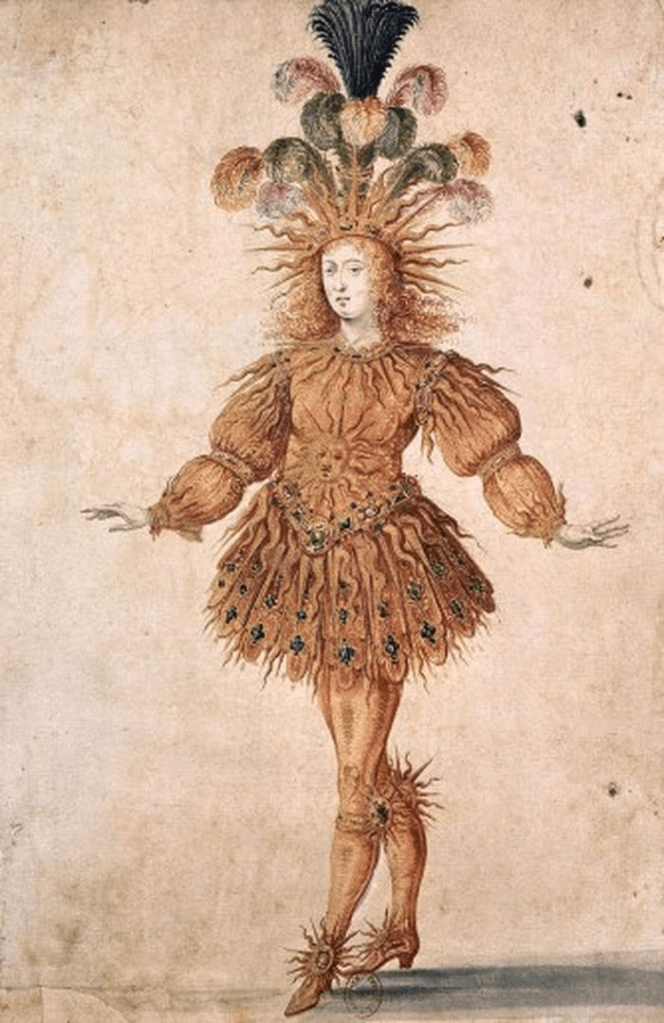

French dancers, composers, and choreographers became in demand across European courts, effectively positioning France as a cultural hegemony in the region, the epicenter of civilization. This is an ideal example of early soft power as the French turned entertainment into widespread cultural diplomacy, with nations vying to adopt French styles into their own performances and rituals.
Simultaneously, during Tsar Peter the Great’s reign, he sought to bring ‘the Enlightenment’ to Russia, embracing Western science and social ideas. In order to modernize and ‘Europeanize’ Russia, the Russians imported French dance masters and etiquette instructors to their court. Ballet became a form of soft power (a concept coined by Joseph Nye), a vehicle for Russia, allowing them to replicate European ways, helping them align socially and artistically with Western Europe, essentially reinventing themselves as a modern empire.

The cultural exchange didn’t just stop in Russia; professional dancers and teachers were exported to other courts of Europe, such as Milan, Vienna, London, and Copenhagen. The Russian diaspora in the 20th century brought a Franco-Russian hybrid variation of ballet to the world, and it became recognized as a global art form. Now, people all over the world, be it my friends in India, Italy, or other parts of the world, practice this dance form religiously, training vigorously to hone their techniques and style in the dance form, demonstrating the powerful role of cultural exchange. The usage of soft power allows countries to gain influence on the world stage, fostering mutual respect between countries. This facilitates tourism, long-term partnerships, and even supports economic or political agendas through admiration and appreciation for one’s culture, rather than force.
The influence of Italian-originated French ballet on the Russian imperial courts in the 18th century is a powerful example of the ways in which dance carries cultural exchange forward. It is a form of non-verbal dialogue that expresses emotions and stories through the art of storytelling (or pantomime since the reader is quite the ballet history buff now). This form of communication is such that it transcends borders, time, and nationality as it has a striking ability to facilitate the blending, adaptation, and transmission of culture between people and nations, just as it did in Russia all those years ago; it continues to do today, even from a micro perspective, as I personally made a range of friends across the globe just through the shared love and respect for dance, allowing me to learn the ways of cultures starkly different from my own.
92 hits
 Choreographing Diplomacy: How Movements Unite Us
4 responses to “Ballet: A Universal Language and form of power”
this is fireeeeee
Loved this piece! It’s such a unique and special take on how dance, especially ballet, connects cultures and holds influence. You blended history and personal experience so well, really enjoyed reading it! ❤️
Omg i loveee this
Brava Aanya! Such soulful narratives of such exquisite craft! All the best!